Mechanical Conformity
All vehicles entering Quebec must pass a mandatory mechanical inspection at an authorized SAAQ center to ensure they meet provincial safety standards.
Moving a vehicle from Ontario, Alberta, or any other province into Quebec requires strict adherence to SAAQ technical standards and fiscal regulations. Understanding the mechanical inspection triggers and tax implications is critical to avoid registration delays.
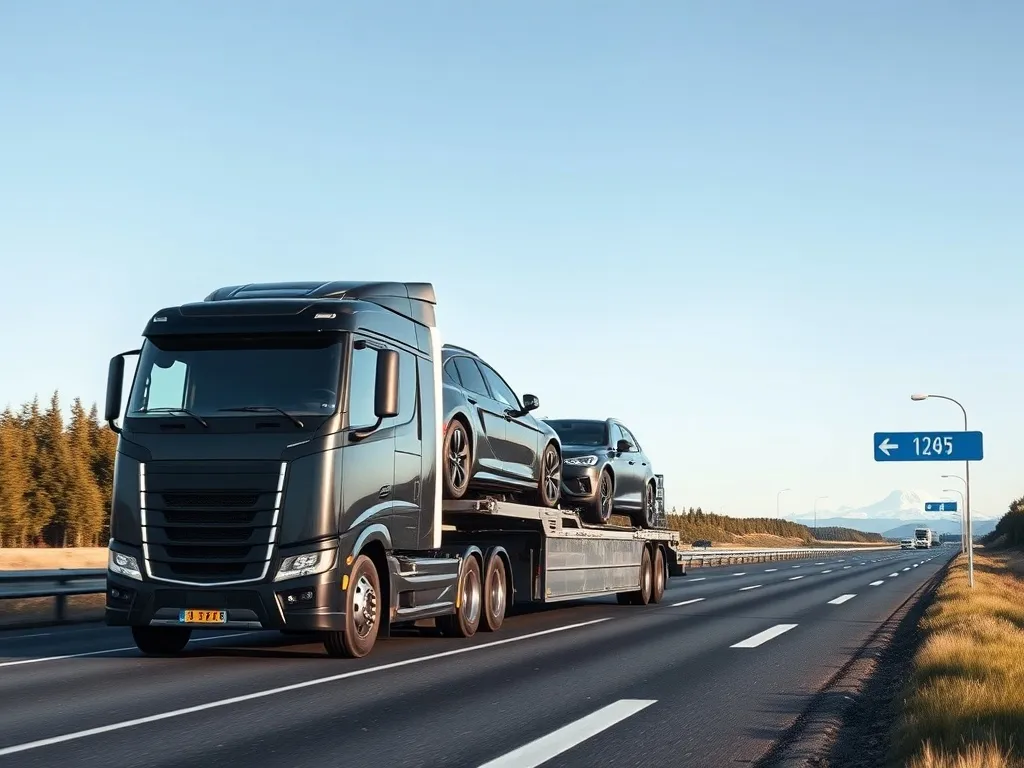
All vehicles entering Quebec must pass a mandatory mechanical inspection at an authorized SAAQ center to ensure they meet provincial safety standards.
Quebec Sales Tax (TVQ) is generally applicable upon registration, though exemptions exist for settlers or specific inter-provincial moves.
Original registration documents from the originating province and proof of ownership are mandatory for the SAAQ file opening.
Unlike some provinces where a safety certificate is only required during a sale, Quebec requires a Vérification mécanique for almost every vehicle arriving from outside its borders. This inspection is performed by private garages mandated by the SAAQ. The technician evaluates the braking system, suspension, steering, lighting, and frame integrity.
If the vehicle fails the inspection, you are granted 48 hours for minor defects or a complete prohibition from driving for major defects. It is highly recommended to perform a pre-inspection if the vehicle is older than five years or has been exposed to heavy road salt in provinces like Ontario or the Maritimes.
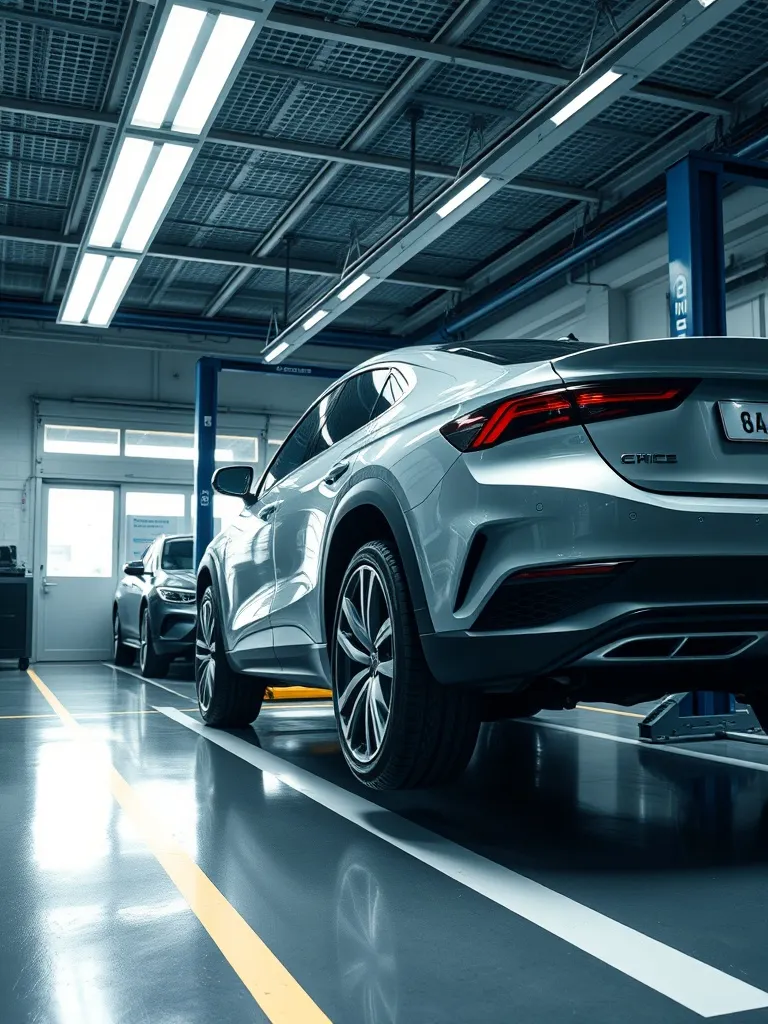
You must provide the original registration certificate from the previous province, the bill of sale (if recently purchased), and a valid piece of identification. If the vehicle is leased, you need a letter of authorization from the leasing company. Additionally, the mechanical inspection certificate (Vérification mécanique) must be presented if the vehicle is used.
For vehicles purchased from a dealer in another province, you usually pay the GST at the source and the TVQ at the SAAQ during registration. For private sales, the TVQ is calculated based on the higher of the purchase price or the "Red Book" wholesale value. You can check the Quebec Sales Tax (TVQ) Calculation guide for detailed formulas.
Yes, individuals moving their primary residence to Quebec (settlers) may be exempt from paying TVQ on a vehicle they already owned in another province. To qualify, you must have owned the vehicle for a specific period and be able to prove your change of residency. This is a critical financial relief for new residents.
While the SAAQ does not strictly require a Carfax for registration, it is highly recommended to perform a Carfax Report Interpretation to ensure the vehicle has no "salvage" or "non-repairable" status in its home province, which could block registration in Quebec.
New residents generally have 90 days to register their vehicle with the SAAQ after moving. However, your insurance must be notified immediately of the change in location. If you purchased the vehicle out-of-province and are bringing it in, you may need a temporary transit permit (T-plate) from the originating province.
The RDPRM only covers liens registered in Quebec. If the vehicle is from Ontario, you must check the PPSA (Personal Property Security Act) register. Once the vehicle is registered in Quebec, any new financing will be recorded via the RDPRM Lien Search Procedure.
Verify the vehicle's status in the originating province. Ensure there are no active liens or "Irreparable" titles that would prevent Quebec registration.
Book an appointment at a SAAQ-mandated center. Obtain the "Certificat de vérification mécanique" which is valid for 12 months.
Visit an SAAQ outlet with your ID, old registration, and inspection certificate. Pay the TVQ and registration fees to receive your Quebec plate.
When importing a vehicle into Quebec, the financial burden extends beyond the mere purchase price. The SAAQ acts as a collection agent for Revenu Québec, ensuring that the 9.975% TVQ is collected on all taxable transactions. If you are buying from a family member, specific exemptions may apply, but these require notarized documentation or specific SAAQ forms to be signed by both parties.
"Statistical data from 2023 suggests that approximately 15% of out-of-province vehicles fail their initial Quebec mechanical inspection due to worn suspension components or minor exhaust leaks."
Another critical factor is the Pre-purchase Inspection Budgeting. Even if you already own the car, you should budget for potential repairs required by the SAAQ technician. Common failure points include cracked windshields (in the driver's field of vision), emergency brakes that do not hold, and tires with less than 1.6mm of tread depth.
Quebec operates under a unique "no-fault" insurance system for bodily injury, managed by the SAAQ. However, civil liability and property damage are handled by private insurers. When moving, you must transition your policy to a Quebec-licensed insurer. Failure to do so could result in a denial of coverage if an accident occurs after you have established residency. Always verify the Fichier central des sinistres automobiles to understand how your previous claims might affect your new Quebec premiums.
The content provided on this website is intended solely for informational and educational purposes. All materials are for reference only and do not constitute professional financial, legal, or automotive recommendations. Users should consult with the SAAQ or a qualified professional before making registration or purchase decisions.
Ensure your paperwork is complete before heading to the SAAQ. Check our comprehensive guides for specific provincial requirements.